A leaking radiator hose does not automatically mean you need a new radiator. For Fort Smith and Van Buren drivers, the repair depends on what failed: the rubber hose, its clamp, or the radiator connection underneath. A hose or clamp repair may be enough when the radiator connection is intact.
Damage to that connection changes the answer. A replacement hose needs a sound surface to seal against. Inspection and pressure testing help establish whether the repair can stay at the hose or needs to include the radiator.
When radiator hose replacement may be enough
Cracked, torn or rubbed-through rubber points toward replacing the hose. A loose clamp or one that no longer holds properly can also let coolant escape at the hose end.
The connection needs inspection too. With the hose removed, the technician can check the radiator’s inlet or outlet for damage and heavy corrosion that could prevent a seal. O’Reilly Auto Parts’ hose inspection guide recommends checking both the ports and the clamps before installing the hose.
The findings should support the proposed repair:
- Damaged hose, sound radiator connection: hose replacement may address the leak.
- Faulty clamp, serviceable hose and connection: correcting the clamp attachment or replacing the clamp may be sufficient.
- Damaged radiator connection: replacing the hose alone may leave the sealing problem unresolved.
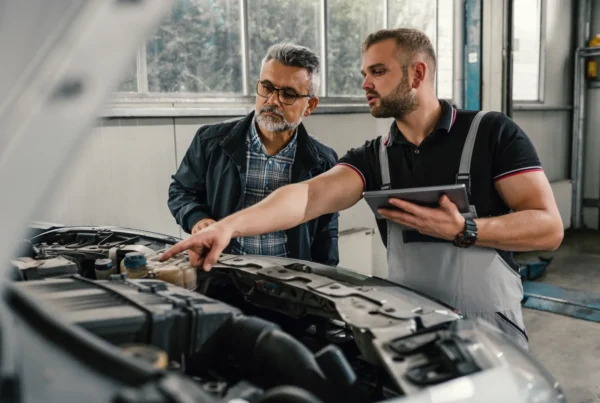
A wet hose end is a reason to inspect all three parts before choosing a repair. Ask the technician to distinguish a defect in the rubber from a problem where the rubber meets the radiator. That explanation makes a recommendation for a hose, a clamp, or both easier to understand.
A clamp-only recommendation should account for the condition of the hose and its connection. If those parts also have damage that prevents sealing, dealing with the clamp leaves part of the problem unaddressed. Conversely, finding a clamp problem does not by itself establish that the radiator is defective.
When the radiator connection changes the repair
The radiator neck is the short inlet or outlet where the hose attaches. If that neck is cracked or its sealing surface is badly damaged, the repair has to address the radiator-side defect as well.
For example, a split rubber hose on an intact neck supports a hose repair. A crack in the neck itself raises a different question: can that radiator be repaired appropriately, or does the assembly need replacement?
Construction matters. Advance Auto Parts’ radiator guide distinguishes repairable brass radiators from plastic-and-aluminum units that generally call for replacement when damaged and leaking. The recommendation should identify the damaged part and account for the radiator’s construction.
A radiator recommendation is clearer when the technician can show or describe the actual defect. Ask whether the leak comes from the connection surface or from the radiator itself. “It leaks near the upper hose” identifies an area to investigate; it does not explain which component failed.
The hose and radiator also need separate condition judgments. If inspection finds damage in both, the proposed repair may reasonably include both. If the hose is the only damaged component and the radiator passes the relevant checks, ask what additional finding supports replacing the radiator. The answer should connect each proposed part to an observed problem.
How pressure testing establishes the scope
Inspection starts with a cool system. Never remove the radiator or coolant-reservoir pressure cap while the system is hot or overheated.
A technician attaches the correct pressure-test adapter and uses the pressure specified for the vehicle and test equipment. Falling pressure signals leakage; watching for seepage helps locate an external leak. A pressure drop alone does not establish that the radiator needs replacement. The procedure is described in the Mityvac cooling-system tester instructions.
When deciding whether to replace the radiator or hose, ask what inspection revealed and where coolant appeared during testing. If the source remains unclear, the diagnosis needs more work before assigning the repair to either part.
It helps to separate what the gauge shows from what the technician sees. The gauge helps establish whether the system holds the applied test pressure. Visible seepage helps establish where coolant escapes. Together, those findings are more useful than a statement that the system “failed a pressure test” without identifying the leak.
Ask for that distinction in the repair explanation: was there visible leakage at the hose joint, a damaged radiator neck found during inspection, or pressure loss whose source still needs investigation? Those findings support different next steps. An unclear result is a reason to continue diagnosis, rather than treat either replacement as a confirmed solution.
If coolant appears again after a hose has already been replaced, describe it as a recurring leak when discussing the inspection. Ask whether the same joint is leaking and whether its radiator-side surface was examined. A previous hose replacement does not establish that a radiator is now required, but it makes confirming the source especially useful before repeating the same repair.
Refill and leak verification finish the repair
After the repair, the system needs refilling and any air removal required by the vehicle’s service procedure. Low coolant and trapped air can also affect cabin heat, as explained in our guide to common auto heating and cooling issues.
Verification includes retesting for leaks and checking the repaired area through warm-up and cool-down. Mityvac notes that some clamp leaks become noticeable as the engine cools. A dry connection immediately after installation is only part of the check; the repair should also hold during the follow-up testing.
Refilling and verification answer different questions. Refilling restores the coolant removed or lost during the repair. Following the required air-removal procedure completes that part of the service. Leak checks then establish whether the repaired connection remains sealed. A hose installation should be evaluated with all of those steps in view.
Before considering the repair complete, the useful questions are straightforward: was the original leak source identified, was the damaged component addressed, was the system refilled according to the vehicle procedure, and did it pass the subsequent leak checks? Those answers explain why a hose repair was enough, or why the radiator needed attention too.