If you find a tire sidewall bubble on your vehicle in Fort Smith, can it be repaired? A confirmed outward bulge means the tire needs replacement. Tire bulge repair is different from fixing a small puncture in the tread: the bulge points to damage in the tire’s supporting structure, which a patch or plug cannot restore.
Arrange a tire inspection before driving on it normally. Michelin advises fitting a suitable spare and taking the damaged tire for professional inspection. If a spare is unavailable, arrange a way to bring the vehicle or wheel to a tire professional. The inspection confirms what you are seeing and checks whether the wheel was damaged too.
You do not need to decide at home whether the bump came from a curb, another object, or something else. Describe where you noticed it and whether you also noticed a scuff or a change in how the vehicle feels. Those details give the technician a starting point, but the condition of the tire itself drives the decision. If the shape is an outward bubble, waiting to see whether it goes away will not restore the damaged cords.
What does an outward bulge mean?
A tire’s sidewall has reinforcing cords beneath the rubber. Michelin says an outward bubble generally indicates those cords were damaged by an impact. Air can then move into the tire’s plies and push the sidewall outward. The tire may still hold pressure, but that does not make a confirmed bulge repairable. Air pressure tells you how much air is in the tire; it does not show whether the cords beneath the rubber still support the sidewall as intended. That is why an apparently inflated tire can still need replacement after a bulge appears.
A scuff near the raised area can be a clue, though it does not prove exactly what happened. Michelin also notes that an impact may leave a cut or bruise on the inner liner that a technician can see only after removing the tire from the wheel.
Look at the shape of the mark. A slight inward indentation can be a normal feature where tire plies join. An outward lump is a different finding. If it is hard to tell which one you have, leave that call to a tire professional rather than treating it as a cosmetic mark. Describe the spot as a raised area or a depression, and point it out at the inspection. An indentation should not be called a bubble just because it looks unusual. Likewise, a raised spot should not be dismissed as a normal seam without someone examining it.
Why can a tread puncture sometimes be repaired?
A nail hole in the tread is a localized injury that a technician can assess under puncture-repair criteria. According to the U.S. Tire Manufacturers Association, repairs on passenger and light-truck tires are limited to the designated tread area. The tire must come off the wheel so its interior can be inspected for other damage. If it qualifies, the repair fills the puncture channel with a rubber stem and seals the inner liner with a patch.
Location and condition matter. A puncture that reaches the shoulder or belt edge is outside the association’s repair area, and a manufacturer may set additional limits. A sidewall bubble is a structural injury, so tread-puncture repair methods do not solve it. A professional tire inspection is how the shop distinguishes these cases before recommending work.
The distinction matters because the repair addresses a specific hole in an otherwise suitable tire. The stem fills that hole, and the patch seals the inner liner. Neither step rebuilds cords in a sidewall that has visibly pushed outward. Even when a nail is visible in the tread, the technician still checks the inside before deciding whether that tire qualifies for repair. A repair recommendation follows the location and condition of the injury, not simply the fact that the tire is losing air.
What will the technician inspect before recommending replacement?
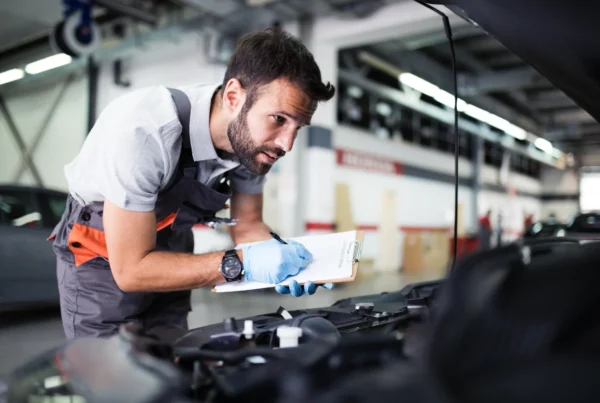
The technician first examines the visible sidewall shape and the surrounding rubber. They look for scuffs or cuts near the bulge and check the tread and other visible tire surfaces for damage. That initial look helps distinguish an outward bubble from an indentation and flags evidence that the tire may have taken an impact. The technician can compare what is visible on the sidewall with the nearby wheel surface instead of assuming every mark has the same cause. A scuff is useful context, but the presence or absence of a scuff alone does not settle whether the tire is serviceable.
Next comes a close look at the wheel, especially the rim area beside the bulge. Michelin identifies a dent or other wheel damage near a bubble as possible evidence of impact. The technician can then remove the tire from the wheel to examine the inner liner for a cut, bruise, or other damage that was hidden while the tire was mounted. These observations support a clear recommendation; the shop need not guess from the outside appearance alone. An interior view is especially useful when the outside shows a raised area but the extent of the injury is unclear. The technician can explain whether the liner shows an impact mark and whether the wheel has an obvious dent near that spot. The goal of this examination is to identify the affected components before fitting a replacement tire.
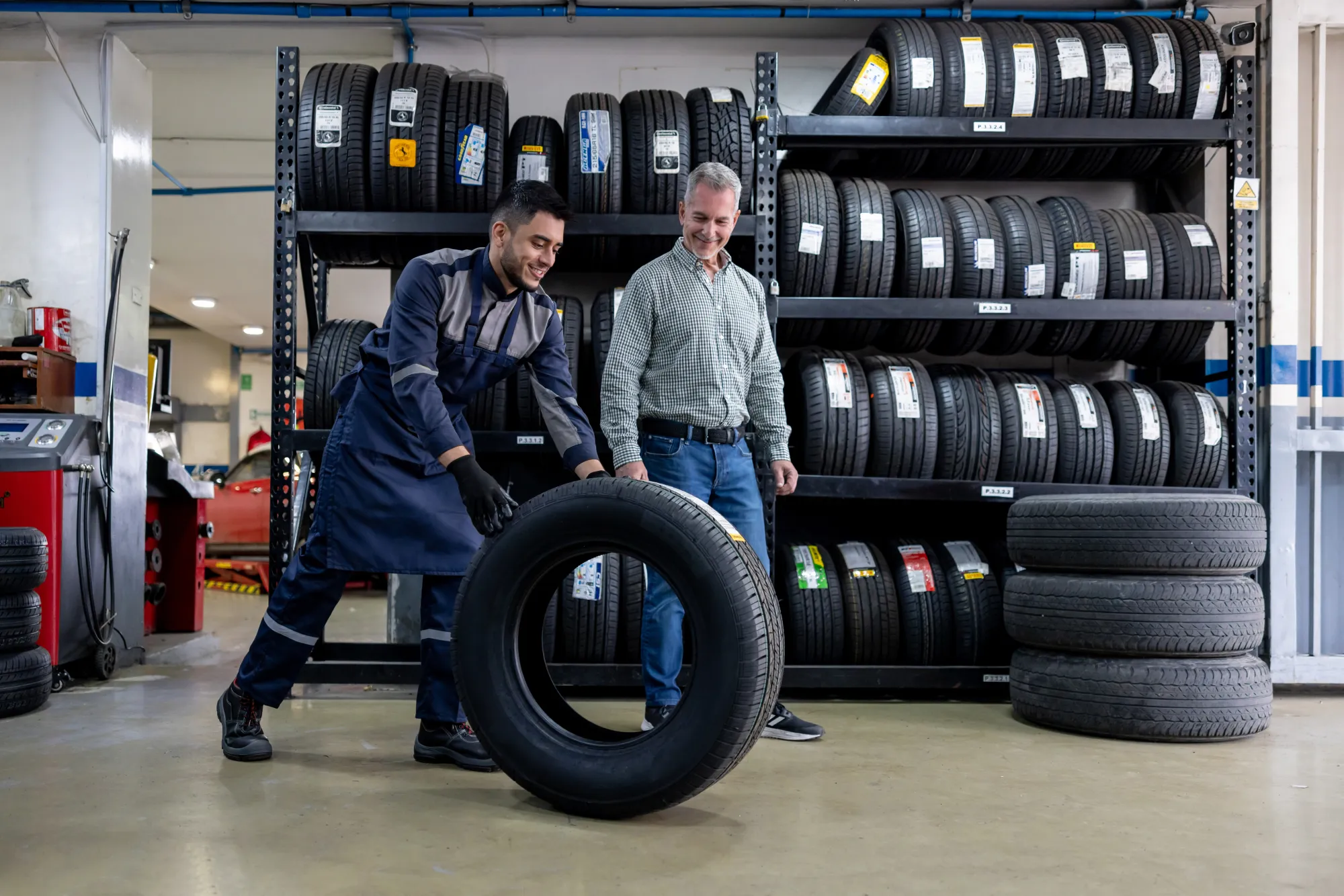
If the bulge is confirmed, the tire is replaced rather than patched. The wheel’s condition matters separately: a tire replacement does not answer whether an affected wheel also needs attention. Ask for the tire finding and the wheel finding as separate parts of the recommendation. If the wheel shows damage, the technician can explain what that means for the replacement. If the wheel shows no obvious damage, the bulged tire still needs replacement. If an impact has left a vibration concern, the shop’s guide to persistent shaking after balancing explains why a technician may look beyond wheel weights.
A visible bubble deserves a prompt inspection even when the tire has not lost air. Ask the technician to explain what the tire and wheel inspection found and which replacement tire fits your vehicle.